
Antibiotic resistance in India
When the drugs stop working. Why it happens, why India carries so much of it, and why a city's drains tell you what is coming.
In short
- 2.97 lakh
- Deaths in India in 2019 caused directly by drug-resistant infections, and 10.4 lakh in which resistance played a part.IHME, Global Burden of Disease 2019
- 39 million
- Deaths worldwide forecast to be caused by resistance between 2025 and 2050, rising from 1.14 million a year in 2021 to 1.91 million in 2050.Naghavi et al., The Lancet 2024
- 507 crore doses
- Of antibiotics taken in India in 2019 through private pharmacies (5,071 million daily doses). Azithromycin was the most used.Koya et al., Lancet Regional Health Southeast Asia 2022
- 47%
- Of those doses were of formulations the national drug regulator had never approved.Koya et al. 2022
- 447 samples
- Of open-drain wastewater from Delhi, Mumbai, Kolkata and Chennai, read for every known resistance gene: the data behind Pratirodh's map.CSIR-CCMB, Nature Communications 2026
Simply put
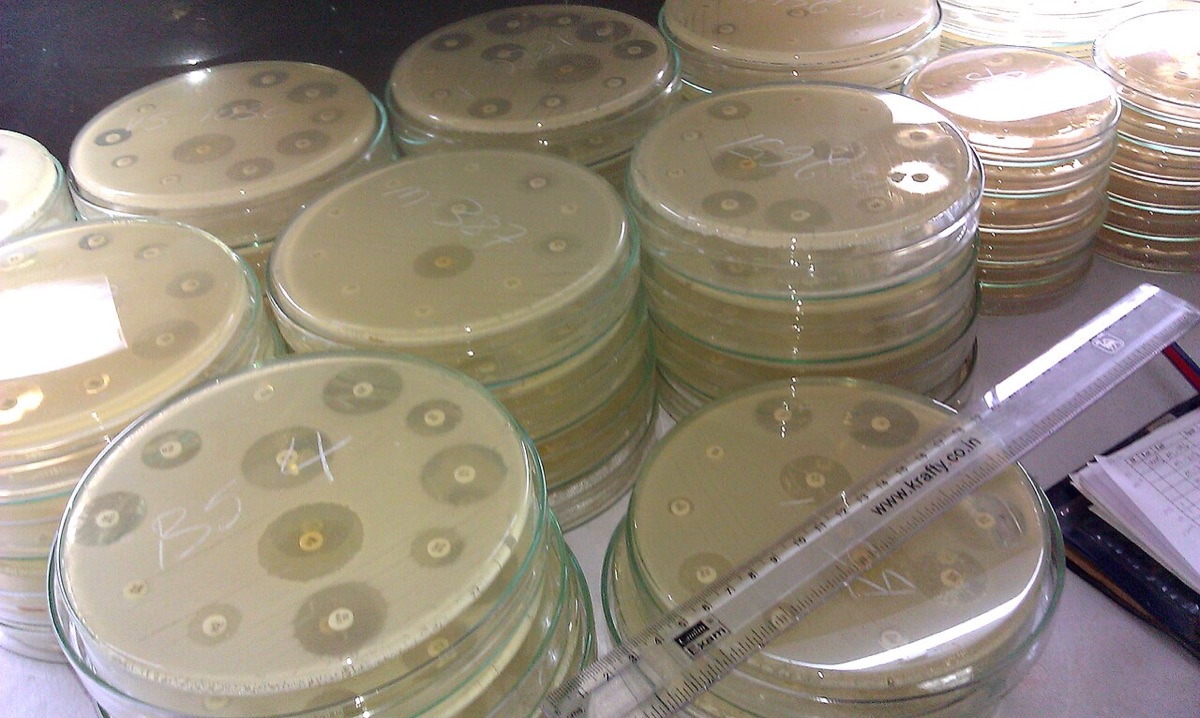
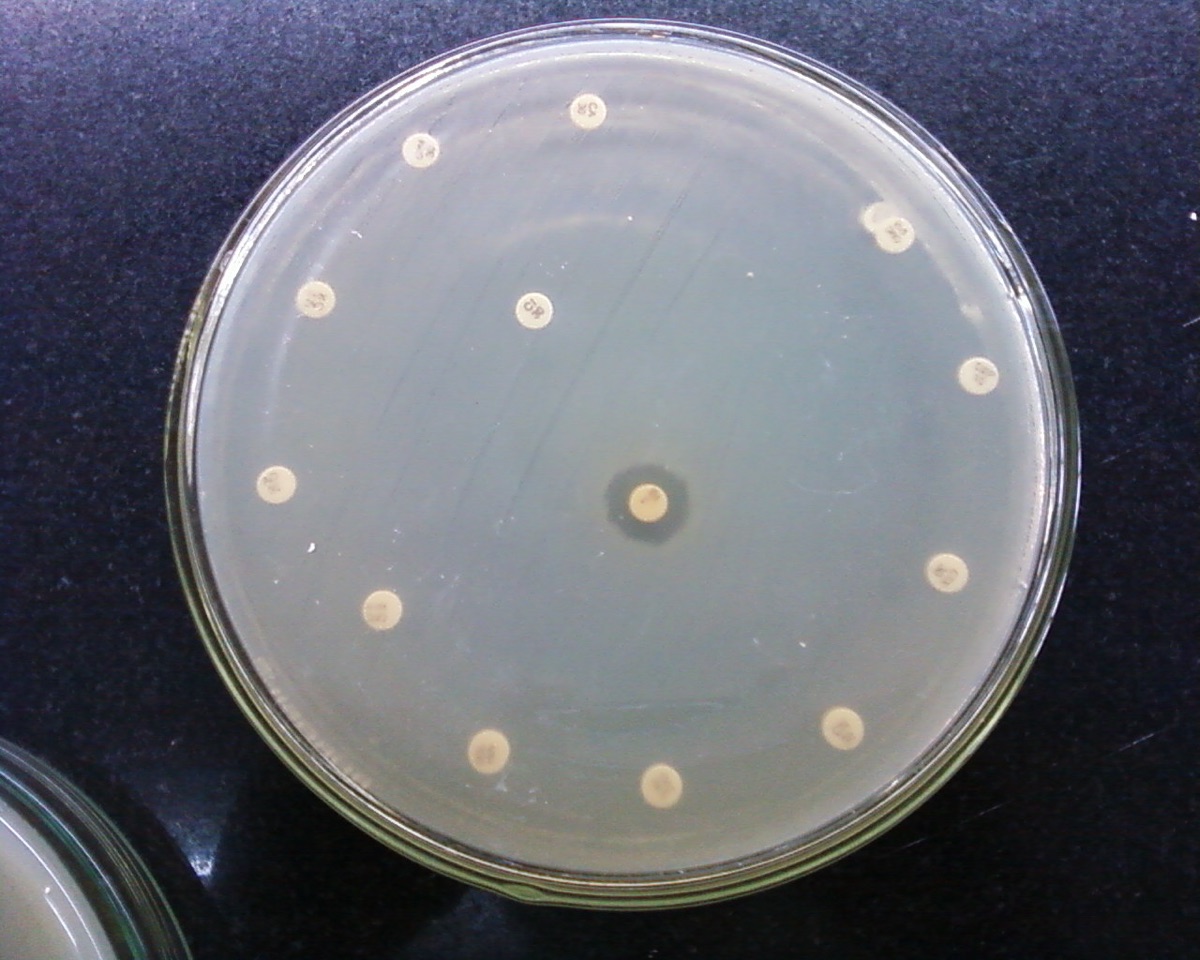
Antibiotics kill bacteria. But among billions of bacteria a few always carry a trick that lets them survive the drug, and every time an antibiotic is used, those few are the ones left to multiply. Use antibiotics often enough, and carelessly enough, and the survivors take over. Then an ordinary infection (a urinary infection, a wound, pneumonia in a newborn) no longer answers to the usual pill, and doctors reach for stronger and costlier drugs, until for some patients nothing is left. Pratirodh, Hindi for resistance, maps where that is happening in India, starting with what city drains carry.


How bacteria resist
Resistance is written in genes. There are only a few ways it works:
- Break the drug. Enzymes such as beta-lactamases cut penicillins and cephalosporins apart; carbapenemases cut even carbapenems, the drugs kept for the worst infections.
- Pump it out. Pumps in the cell wall throw the drug out before it can work.
- Change the target. A small change in the part of the cell the drug attacks, and the drug no longer fits.
- Pass it on. Many resistance genes sit on plasmids, small loops of DNA that bacteria swap with each other, even across species. One bacterium can collect resistance to many drugs at once and hand it over.
That last point is why Pratirodh counts genes, not only bacteria: a gene in a harmless gut microbe today can be in a dangerous one tomorrow.
A gene named after Delhi
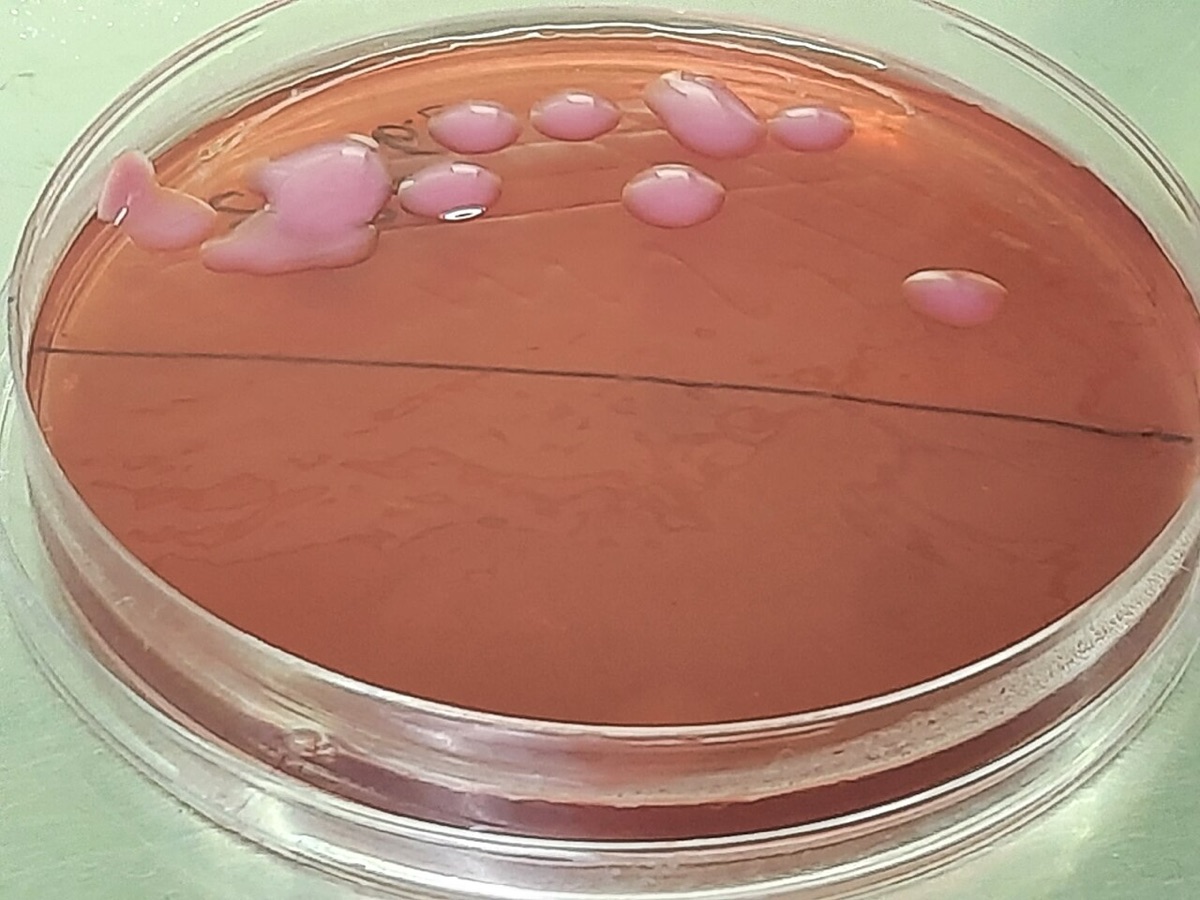
In 2008 doctors in Sweden found an enzyme in a patient who had been treated in New Delhi that broke down almost every antibiotic tried, carbapenems included. It was named New Delhi metallo-beta-lactamase, NDM-1. By 2010 it had been found across India, Pakistan and the United Kingdom, carried on plasmids that moved between species, and it has since turned up worldwide. Pratirodh's “last-resort genes” count NDM and the other carbapenemases, and mcr genes, which defeat colistin, the drug given when carbapenems fail.
Why India
- Easy to buy. Antibiotics are sold over the counter in much of the country, though the law says they need a prescription.
- Broad drugs first. Most of what is used are “Watch” antibiotics, the ones the WHO says should be used sparingly, and nearly half the doses in 2019 came from unapproved formulations, many of them fixed-dose combinations.
- Lots of infection. Where diarrhoea, typhoid and pneumonia are common, antibiotics are used often, and resistant bacteria spread through water and sewage.
- Farms and factories. Antibiotics given to poultry and fish to make them grow, and waste from drug factories, add to what reaches the environment.
Why drains
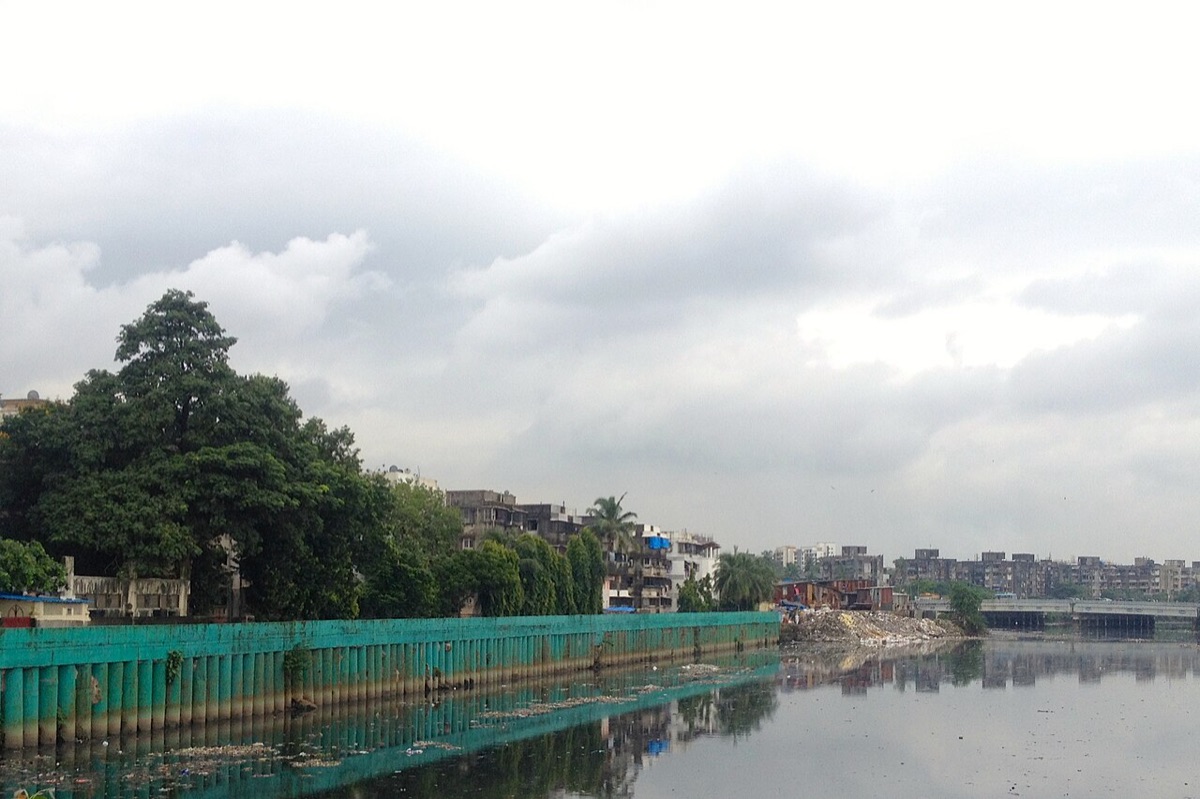
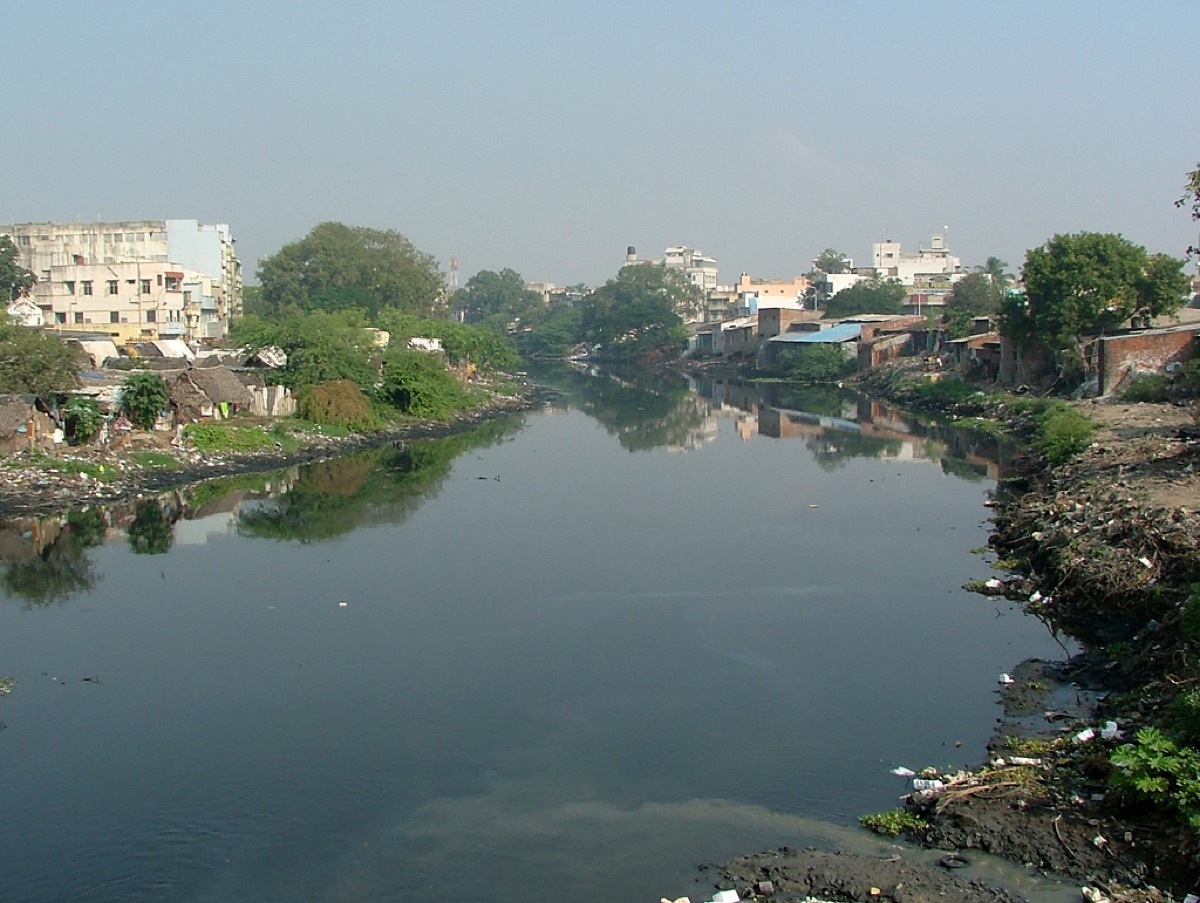
Hospital tests only see the patients who are tested, and most infections in India are treated without one. A drain carries what a whole neighbourhood's guts carry, sick or not. Sequence everything in a sample of it and you can count every known resistance gene at once, month after month, cheaply. That is what CSIR-CCMB did in Delhi, Mumbai, Kolkata and Chennai from 2022 to 2024, and what Pratirodh maps. Genes in a drain are not infections: they say what is circulating, not who is ill.


What India has done
| When | What |
|---|---|
| 2014 | Schedule H1: 24 antibiotics, including third- and fourth-generation cephalosporins and carbapenems, may be sold only against a prescription, and pharmacies must keep a register of each sale for three years. |
| 2016 | “Medicines with the Red Line”: a red line on the pack marks drugs to take only on a doctor's advice. |
| 2017 | The first National Action Plan on AMR, across health, farming and the environment. |
| 2018 | Kerala becomes the first state with its own plan (KARSAP). |
| July 2019 | Colistin banned for food-producing animals, poultry, fish farming and animal feed. |
| 2024 | Kerala's Operation AMRITH: surprise checks on pharmacies selling antibiotics without a prescription, and a toll-free number to report them. |
| 18 Nov 2025 | National Action Plan on AMR 2.0, for 2025 to 2029, with each ministry's actions, timelines and budgets. |
What you can do
- Take an antibiotic only when a doctor prescribes it, and finish the course as told.
- Don't ask for one for a cold or flu: they are viruses, and antibiotics do nothing to them.
- Never share leftover antibiotics or buy them without a prescription.
- Look for the red line on the pack.
Who works on it
| Who | Where | What they do |
|---|---|---|
| CSIR-Centre for Cellular and Molecular Biology | Hyderabad | Sequenced the four cities' wastewater and published the data openly: Pratirodh's first layer. |
| ICMR Antimicrobial Resistance Surveillance Network | New Delhi | Tracks resistance in bacteria from patients at hospitals across India, with a yearly report. |
| National Centre for Disease Control | New Delhi | Coordinates the National Action Plan and its surveillance network. |
| Kerala Drugs Control Department | Thiruvananthapuram | Runs Operation AMRITH against over-the-counter sales. |
Papers
- Emergence of a new antibiotic resistance mechanism in India, Pakistan, and the UK: a molecular, biological, and epidemiological study · Kumarasamy KK et al. · 2010 · The Lancet Infectious Diseases 10:597–602 · doi:10.1016/S1473-3099(10)70143-2
- Global burden of bacterial antimicrobial resistance in 2019: a systematic analysis · Antimicrobial Resistance Collaborators (Murray CJL et al.) · 2022 · The Lancet 399:629–655 · doi:10.1016/S0140-6736(21)02724-0
- Consumption of systemic antibiotics in India in 2019 · Koya SF et al. · 2022 · The Lancet Regional Health – Southeast Asia 4:100025 · doi:10.1016/j.lansea.2022.100025
- Global burden of bacterial antimicrobial resistance 1990–2021: a systematic analysis with forecasts to 2050 · GBD 2021 Antimicrobial Resistance Collaborators (Naghavi M et al.) · 2024 · The Lancet 404:1199–1226 · doi:10.1016/S0140-6736(24)01867-1
- Metagenomic profiling of antimicrobial resistance in wastewater from metropolitan cities of India · Singh, Garg et al. · 2026 · Nature Communications · Open access
India's figures for 2019: IHME country sheet. Policy dates: colistin ban, Schedule H1 and the Red Line, Operation AMRITH, NAP-AMR 2.0. Photos from Wikimedia Commons, credited under each one.